
"Martinique coffee flavor"
1000 article(s) found
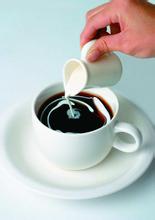
The flavor of Dominica coffee with pure and soft aroma describes the degree of grinding, taste, taste, baking degree.
In the early 18th century, coffee was introduced to Domiga from Martinique, and fine coffee was produced in the north represented by Hibao and in the south, including Okayabani Santo Domingo. Among them, the coffee produced by Santo Domingo and Barney, which is almost synonymous with domiga coffee, is a world-famous high-quality coffee. Santo Domingo coffee, which is characterized by freshness and elegance,

Arusha Coffee Manor full of Coffee flavour
The coffee tree is an evergreen cotyledon plant native to Ethiopia and belongs to the Coffee genus of the Rubiaceae family in botany, with a height of up to 10 meters, while artificial growers are only two to four meters tall due to pruning. Coffee will probably seed in three to four years, and the yield will decrease after 20 to 25 years, but some coffee trees will still bear fruit after more than a hundred years.
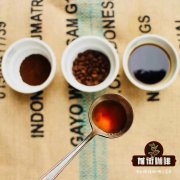
A brief introduction to the characteristics, climate and growing environment of coffee beans and their coffee beans in 12 countries
Professional coffee knowledge exchange more information about coffee beans Please follow the coffee workshop (Wechat official account cafe_style) Coffee comes from the Greek Kaweh, meaning strength and enthusiasm. Coffee tree is a small evergreen tree of Rubiaceae. Coffee for daily drinking is made of coffee beans combined with various cooking utensils, and coffee beans refer to the nuts in the fruit of coffee trees.

Description of flavor, taste and aroma characteristics of fresh and elegant Santo Domingo boutique coffee beans
Coffee in Dominica varies slightly in taste according to the altitude of the region where it is grown, with sour but rich taste in the highlands, and less sour and smoother taste in the lowlands. On the other hand, the high-quality coffee beans produced by some Dominican estates have a rich aroma, mellow taste, moderately bright sour taste, and are often used with famous Puerto Rican or Jamaican coffee.

Smooth taste Dominica Santo Domingo Coffee Flavor description Variety characteristics introduction of Grinding degree
Miniga is located on the island of Hispaniola in Central America, just above Martinique Island. Dominica occupies 2/3 of the right half of Hispaniola, while the other 1/3 to the west is the territory of Haiti. It is rich in natural resources, rich in coffee, cocoa, oranges, bananas and flowers. Coffee ranks in the country's gross domestic agricultural output in recent years.
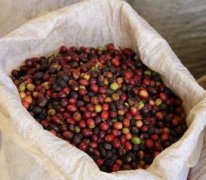
A brief introduction to the Market Price of Santo Domingo Fine Coffee Bean varieties with intertwined aftertaste
Dominica coffee is mainly produced in areas such as Cibao in the Central Mountains, the Caribbean and Barahona. There are many large estates in Siwao, and coffee trees are planted with 75% Kaddura and 25% Tibica. In terms of varieties, Baraona is the region with a high proportion of Tibika seeds.

Excellent flavor and taste of Jamaican Blue Mountain Coffee introduction to boutique coffee in manor area
In 1717 King Louis XV of France ordered coffee to be grown in Jamaica, and in the mid-1920 s, the Governor of Jamaica, Nicholas. Nicholas Lawes imported Arabica seeds from Martinique and began to plant them in St. Andrew. To this day, the St. Andrews area is still the Jamaican Blue Mountain Coffee.

Introduction to the flavor and taste of Dominican boutique coffee beans and the characteristics of the manor producing area
The earliest coffee in Dominica was introduced from Martinique (the overseas province of France), dating back to the early 18th century. Dominica is an island country with a tropical climate. The temperature changes little throughout the year. Except for the lower temperature in the Central Cordillera Mountains, which can reach less than 0 ℃ in winter, the annual average temperature in other areas is between 25 and 30 ℃, which is affected by the mountain topography.

A brief introduction to the origin, development, history and culture of pure and gentle Santo Domingo boutique coffee beans
Such flavor characteristics are not only related to varieties and the quality of planting soil, but also closely related to the picking and handling of raw beans. Coffee in Dominica is selected by the manual method with the highest cost, and workers mainly consider the fullness of coffee granules, and the other is to see whether they are even. according to these conditions, the coffee beans with the fullest and most uniform particles are graded.

A brief introduction to the cultivation of fine coffee beans in Santo Domingo, geographical location, climate and altitude
The temperate climate in Dominica is conducive to coffee cultivation, and the best places to grow coffee are the Barahona region in the southwest and the Cibao Valley north of Santiago, Dominica's second largest city. The northern region, represented by Hibao, and the southern region, including Okayabani Santo Domingo, produce good coffee. Among them, Santo
Introduction to the history of coffee cultivation in Venezuela what are the coffee brands in Venezuela
Professional Coffee knowledge Exchange more information on coffee beans Please follow the coffee workshop (official Wechat account cafe_style) the first taste of Coffee made me feel amazing. Although Venezuela introduced coffee trees from Martinique in 1730, coffee production was almost abandoned at the height of the oil industry. Fortunately, coffee cultivation has begun to recover recently.

A brief introduction to the planting Market Price of Santo Domingo Fine Coffee Bean varieties
Coffee in Dominica is graded in sizes such as AA and AB, but it is classified as top grade by coffee from highlands such as Sivao and Baraona. Both kinds of coffee are harvested from February to May and are refined by washing. Turning to the introduction of Dominican coffee, the most distinctive features are fresh and elegant, full of particles, excellent acidity and pleasant flavor.

Introduction to the Brand of Grinding scale in Dominica Coffee Bean production area
Dominica is located on the island of Hispaniola in Central America, just above Martinique Island. Dominica occupies 2/3 of the right half of Hispaniola, while the other 1/3 to the west is the territory of Haiti. It is rich in natural resources, rich in coffee, cocoa, oranges, bananas and flowers. Coffee ranks among the country's gross domestic agricultural output in recent years.

A brief introduction to the treatment method of grinding degree and baking degree of full-grained Santo Domingo fine coffee beans
The temperate climate in Dominica is conducive to coffee cultivation, and the best places to grow coffee are the Barahona region in the southwest and the Cibao Valley north of Santiago, Dominica's second largest city. The northern region, represented by Hibao, and the southern region, including Okayabani Santo Domingo, produce good coffee. Among them, Santo

Faint aroma of Dominica Santo Domingo Coffee introduction to boutique coffee
The earliest coffee in Dominica was introduced from Martinique (the overseas province of France), dating back to the early 18th century. Dominica is an island country with a tropical climate. The temperature changes little throughout the year. Except for the lower temperature in the Central Cordillera Mountains, which can reach less than 0 ℃ in winter, the annual average temperature in other areas is between 25 and 30 ℃, which is affected by the mountain topography.

A brief introduction to the origin, development, history and culture of Santo Domingo boutique coffee beans with excellent acidity
The temperate climate in Dominica is conducive to coffee cultivation, and the best places to grow coffee are the Barahona region in the southwest and the Cibao Valley north of Santiago, Dominica's second largest city. The northern region, represented by Hibao, and the southern region, including Okayabani Santo Domingo, produce good coffee. Among them, Santo

Introduction to the varieties of Dominica Santo Domingo Coffee with rich taste, taste and flavor description
The earliest coffee in Dominica was introduced from Martinique (the overseas province of France), dating back to the early 18th century. Dominica is an island country with a tropical climate. The temperature changes little throughout the year. Except for the lower temperature in the Central Cordillera Mountains, which can reach less than 0 ℃ in winter, the annual average temperature in other areas is between 25 and 30 ℃, which is affected by the mountain topography.
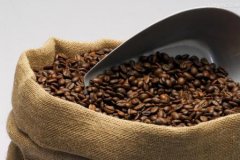
A brief introduction to the treatment method of grinding degree and baking degree of pure and gentle Santo Domingo boutique coffee beans
Carefully selected in this way, the high-quality Dominican coffee exudes a faint aroma and gives people a faint fruity aroma with a lingering finish and a smooth and smooth finish. To trace the origin of Tibica, we should first talk about the coffee trees originally planted in Martinique. These trees were planted by Dominicans as far back as the early 18th century, so Dominica began at that time.

Full-bodied Dominican Santo Domingo coffee flavor Taste Manor production characteristics Fine coffee medium
In the early 18th century, coffee was introduced to Dominica from Martinique, and the northern regions, represented by Ciba, and the southern regions, including Ocayabani Santo Domingo, produced fine coffee. Among them, Santo Domingo and Bani produced coffee, almost synonymous with Domica coffee, is world-famous quality coffee. Santo Domingo coffee, characterized by fresh and elegant,

Introduction of boutique coffee beans in Dominica Santo Domingo coffee producing area
The earliest coffee in Dominica was introduced from Martinique (the overseas province of France), dating back to the early 18th century. Dominica is an island country with a tropical climate. The temperature changes little throughout the year. Except for the lower temperature in the Central Cordillera Mountains, which can reach less than 0 ℃ in winter, the annual average temperature in other areas is between 25 and 30 ℃, which is affected by the mountain topography.